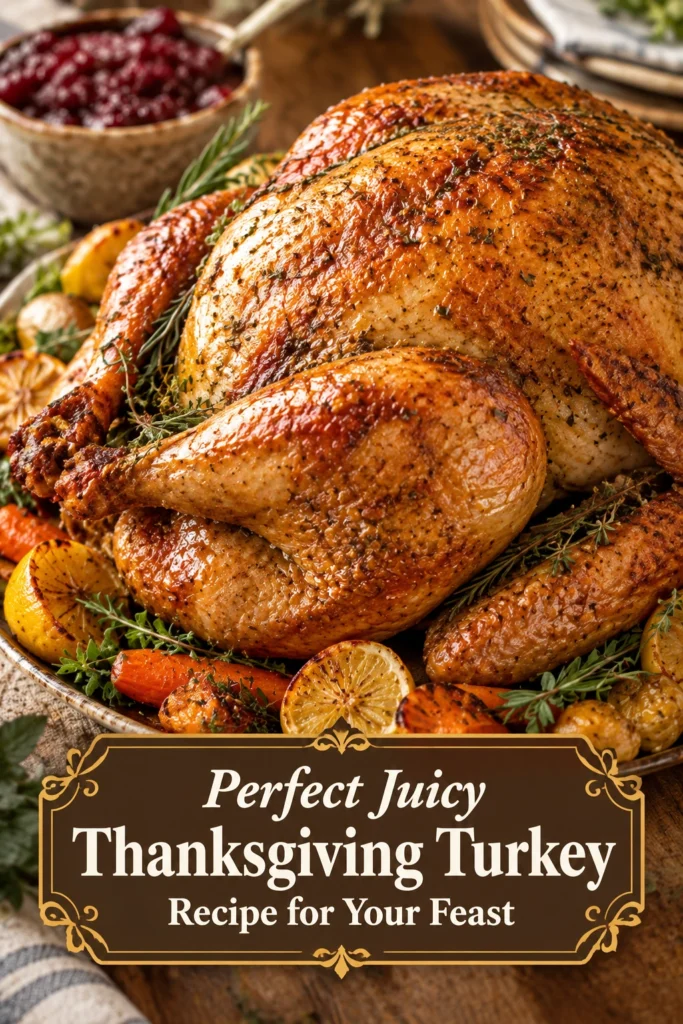
The smell of roasting poultry and aromatic herbs defines the holiday season. It signals the arrival of guests and the start of a shared meal.
This recipe focuses on a traditional oven-roasted whole turkey. It utilizes a compound butter rub to keep the breast meat moist while the dark meat finishes cooking.
Home cooks appreciate this approach because it removes the guesswork from the oven timing. The result is a bird with a deep golden skin and tender meat.
A balanced blend of sage, rosemary, and thyme creates a profile that is classic yet refined. It avoids the over-salted taste often found in pre-marinated options.
Compared to store-bought pre-basted turkeys, this version allows for full control over the ingredients. You can adjust the salt and herb levels to suit your preference.
This method is ideal for those hosting a large family gathering or a first-time holiday host. It provides clear markers for doneness to avoid the common pitfall of dry meat.
Preparing the bird begins with selecting the right ingredients and understanding the roasting process.
- ●Why You’ll Love This Recipe
- ●A Brief Background / Why This Recipe Works
- ●Perfect For Large Holiday Gatherings
- ●Turkey Spotlight
- ●Aromatic Herb Spotlight
- ●Key Ingredients
- ●How to Make It
- ●Pro Tips
- ●Delicious Variations
- ●Best Ways to Serve
- ●Storage and Leftovers
- ●Frequently Asked Questions
- ●Why This Recipe Belongs in Your Weekly Rotation
- ●Final Thoughts
Achieving a moist turkey often feels like a gamble, but this method prioritizes moisture retention through targeted basting and temperature control.
- ●The butter rub creates a consistent golden-brown crust across the entire bird.
- ●Herb-infused flavors penetrate deep into the skin for a fragrant aroma.
- ●Detailed temperature guidelines prevent the white meat from overcooking.
- ●The process is scalable for different turkey weights.
- ●It uses pantry staples that are easy to find in any grocery store.
- ●The resting period allows juices to redistribute for maximum tenderness.
- ●It pairs perfectly with traditional sides like stuffing and cranberry sauce.
- ●The method produces a high volume of rich drippings for homemade gravy.
- ●It simplifies the cooking timeline for the host.
- ●The flavor profile is timeless and appeals to guests of all ages.
This approach transforms the most stressful part of the meal into a manageable task.
A Brief Background / Why This Recipe Works |
Most turkey failures happen because the breast meat reaches its safe temperature long before the thighs and legs. This recipe addresses that imbalance by using a high-fat butter rub that acts as a thermal barrier for the lean breast meat.
Applying seasoning both inside and outside the cavity ensures the flavor is distributed evenly. The use of a roasting pan with a rack allows heat to circulate under the bird, preventing the bottom from becoming soggy.
Precision is the key to success here. a meat thermometer rather than a timed chart, the cook can pull the turkey from the oven at the exact moment it hits safety guidelines, preventing the meat from drying out during the final minutes.
These combined techniques create a reliable path to a successful centerpiece.
Perfect For Large Holiday Gatherings |
Hosting a crowd requires a main dish that can feed many people while remaining unattended for long stretches. A whole roasted turkey fits this need perfectly, freeing up oven space for side dishes once it is removed to rest.
This recipe is also suitable for those who enjoy meal prepping for the week. The volume of meat provided allows for several days of high-protein meals after the main event.
Family dinners benefit from the communal nature of carving a large bird. It serves as a focal point for the table and a tradition that brings generations together.
Turkey Spotlight |
The whole turkey is a lean protein that provides a neutral canvas for bold flavors. Its size makes it the only practical choice for feeding a large group in a single roast. When selecting a bird, look for one with a consistent shape to ensure even cooking across the breast and legs.
Aromatic Herb Spotlight |
Sage, rosemary, and thyme form the “poultry blend” that defines the holiday season. Sage provides a slightly peppery, earthy tone that cuts through the richness of the butter.
Rosemary adds a pine-like freshness, while thyme offers a subtle lemony sweetness. Together, these herbs create a complex scent that permeates the meat as the fats render during the roasting process.
Key Ingredients |
The quality of the roast depends on a few essential components that work together to build flavor and moisture.
- ●Whole Turkey — The primary protein and centerpiece of the meal.
- ●Unsalted Butter — Provides the fat necessary for browning and moisture.
- ●Fresh Sage — Adds a distinct earthy, savory flavor.
- ●Fresh Rosemary — Contributes a woody, aromatic quality.
- ●Fresh Thyme — Offers a light, floral herbal note.
- ●Garlic — Adds depth and pungency to the butter rub.
- ●Kosher Salt — Enhances the natural flavors of the meat.
- ●Black Pepper — Provides a mild heat and sharp contrast.
- ●Lemon — Adds acidity to balance the rich fats.
- ●Onion — Infuses the cavity with a savory base flavor.
How to Make It |
Follow these steps carefully to ensure the turkey remains juicy and the skin reaches a crisp, golden finish.
- Prepare the bird: Remove the giblets and pat the turkey completely dry with paper towels. Moisture on the skin creates steam, which prevents the skin from browning; a dry surface is essential for a crisp finish.
- Create the compound butter: Mix softened butter with minced garlic, chopped sage, rosemary, thyme, salt, and pepper. This creates a flavor-dense paste that will baste the meat as it melts in the oven.
- Season the cavity: Rub salt and pepper inside the turkey and stuff it with a halved lemon, a halved onion, and a few sprigs of fresh herbs. These aromatics steam from the inside out, flavoring the meat from within.
- Apply the herb butter: Gently loosen the skin over the breast meat with your fingers and slide a portion of the butter mixture directly underneath. Rub the remaining butter over the exterior skin. Placing butter under the skin protects the lean breast from drying out.
- Roast at high heat: Place the turkey on a rack in a roasting pan and start at 425°F (218°C) for 30 minutes. This initial burst of heat sears the skin and starts the browning process.
- Slow roast to finish: Reduce the oven temperature to 325°F (163°C) and continue roasting. Use a meat thermometer to check the thickest part of the thigh; avoid poking the breast to keep juices inside.
- Check for doneness: Remove the bird when the thickest part of the thigh reaches 165°F (74°C). A common mistake is waiting for the thermometer to hit this number while the turkey is still in the oven, as carryover cooking will raise the temperature further.
- Rest the meat: Transfer the turkey to a carving board and let it sit undisturbed for at least 30 to 45 minutes. Cutting into the meat too early causes the juices to run out, leaving the meat dry.
1Small adjustments in technique can lead to a significant difference in the final texture and taste.
- ●2Use a meat thermometer: Relying on a clock is risky because every oven and every bird varies; a digital probe is the only way to ensure accuracy.
- ●3Avoid over-basting: Opening the oven door frequently lets out heat and increases the total cooking time.
- ●4Tenting with foil: If the breast skin is browning too quickly before the legs are done, loosely cover the breast with aluminum foil.
- ●5Dry brining: For even deeper flavor, apply a layer of salt to the skin 24 hours before cooking, as seen in the Irresistible Dry Brine Turkey Recipe For Perfect Flavor
- ●6Room temperature start: Let the turkey sit out for about an hour before roasting to ensure the center warms up evenly.
Delicious Variations |
While the classic herb profile is a staple, you can adapt the flavors to suit different tastes or dietary needs.
- ●Citrus Twist: Replace half of the butter with olive oil and add orange zest to the rub for a brighter, zesty flavor.
- ●Maple Glaze: Brush the skin with a mixture of maple syrup and Dijon mustard during the last 30 minutes of roasting for a sweet-savory crust.
- ●Spicy Rub: Incorporate smoked paprika and a pinch of cayenne pepper into the compound butter for a subtle warmth.
- ●Garlic-Parmesan: Mix grated parmesan cheese into the butter rub for an extra savory, salty crust.
- ●Apple-Cider Infusion: Pour a cup of apple cider into the bottom of the roasting pan to keep the environment humid.
These adjustments allow you to customize the bird for different crowd preferences.
Best Ways to Serve |
Presenting the turkey as the center of the table creates a visually stunning start to the meal.
- ●Classic Platter: Surround the carved turkey with fresh pomegranate seeds, sprigs of parsley, and roasted root vegetables.
- ●Family Style: Slice the breast and legs and arrange them on a large warmed platter with a boat of rich gravy on the side.
- ●Individual Plates: Serve a slice of breast and a drumstick per person, accompanied by a scoop of stuffing.
Complement the richness of the meat with a light, refreshing side. A Juicy Perfect Fruit Salad With Honey Citrus Dressing provides a necessary acid contrast to the savory turkey.
Pair the meal with traditional sides like mashed potatoes, sautéed green beans, and a tart cranberry relish to balance the palate.
Storage and Leftovers |
Refrigerating
Carve the remaining meat and store it in airtight containers. It stays fresh in the refrigerator for up to 3 to 4 days.
Reheating
To prevent the meat from drying out, reheat slices in a pan with a splash of broth or in the oven at 300°F (150°C) covered in foil for 15 to 20 minutes.
Freezing
Wrap meat tightly in foil and then place it in a freezer bag. It remains high-quality for 2 to 3 months when frozen.
Frequently Asked Questions |
- ●Q: How do I know when the turkey is actually done without cutting into it?A: Use a digital meat thermometer and insert it into the thickest part of the thigh, making sure not to hit the bone. The turkey is safely cooked when it reaches 165°F (74°C). This method is the only reliable way to ensure the bird is cooked through while remaining juicy.
- ●Q: What should I do if the skin is getting too dark but the meat isn’t done?A: Loosely cover the breast area with a piece of aluminum foil. This creates a shield that reflects heat away from the skin, allowing the internal temperature of the legs and thighs to continue rising without burning the exterior of the breast.
- ●Q: Can I use a frozen turkey for this recipe?A: You must thaw the turkey completely in the refrigerator before roasting. Roasting a frozen bird leads to uneven cooking, where the outside is overdone and the inside remains raw. Allow approximately 24 hours of thawing time for every 4 to 5 pounds of meat.
- ●Q: Why is my turkey skin not getting crispy?A: The most common cause is excess moisture on the skin or a crowded oven. Ensure the turkey is patted dry before applying butter and use a roasting rack to allow air to circulate. Avoid basting too frequently, as adding liquid to the skin can soften it.
- ●Q: What is the best way to use up the leftover meat?A: Leftovers are incredibly versatile. You can make a creamy Irresistible Yummy Leftover Turkey Pot Pie Recipe Easy Thanksgiving Leftovers Meal or a bold Hearty Leftover Turkey Chili With Smoked Paprika Easy Post Thanksgiving Meal
Why This Recipe Belongs in Your Weekly Rotation |
While whole turkeys are typically reserved for holidays, the techniques used here apply to any large roast. Understanding how to manage temperature and moisture makes you a more confident cook in any scenario.
The ability to create a high-volume protein source that remains tender is a valuable skill. Using these methods for smaller birds or turkey breasts can bring a touch of holiday luxury to a standard Sunday dinner.
Ultimately, this recipe provides a blueprint for success. It turns a daunting task into a predictable process, ensuring that the centerpiece of your meal is always a success.
Final Thoughts |
This recipe combines a fragrant herb butter rub with precise roasting temperatures to create a turkey that is golden on the outside and moist on the inside.
Bring your family together around a table filled with warmth and a perfectly roasted feast.
Perfect Juicy Thanksgiving Turkey Recipe for Your Feast
- Total Time: 0 hours
- Yield: 12 servings 1x
Description
A classic oven-roasted whole turkey featuring a compound herb-butter rub and precise temperature control for a golden-brown, juicy result.
Ingredients
- 12–14 lb whole turkey, thawed
- 1 cup unsalted butter, softened
- 1 tbsp fresh sage, minced
- 1 tbsp fresh rosemary, minced
- 1 tbsp fresh thyme, minced
- 4 cloves garlic, minced
- 2 tbsp kosher salt
- 1 tbsp black pepper
- 1 lemon, halved
- 1 yellow onion, halved
- Fresh herb sprigs for cavity
Instructions
- Preheat oven to 425°F (218°C).
- Remove giblets and pat the turkey completely dry with paper towels.
- In a small bowl, mix softened butter, minced garlic, sage, rosemary, thyme, 1 tbsp salt, and 1 tbsp pepper.
- Season the inside of the turkey cavity with salt and pepper. Stuff with lemon halves, onion halves, and herb sprigs.
- Gently lift the breast skin and spread half of the butter mixture directly onto the meat. Rub the remaining butter over the skin.
- Place turkey on a rack in a roasting pan. Roast at 425°F for 30 minutes.
- Reduce oven temperature to 325°F (163°C). Continue roasting until a meat thermometer reaches 165°F (74°C) in the thickest part of the thigh.
- Remove turkey from the oven and let it rest on a carving board for 30 to 45 minutes before slicing.
- Prep Time: 45 minutes
- Cook Time: 3-4 hours
- Category: Main Course
- Method: Roasting
- Cuisine: American