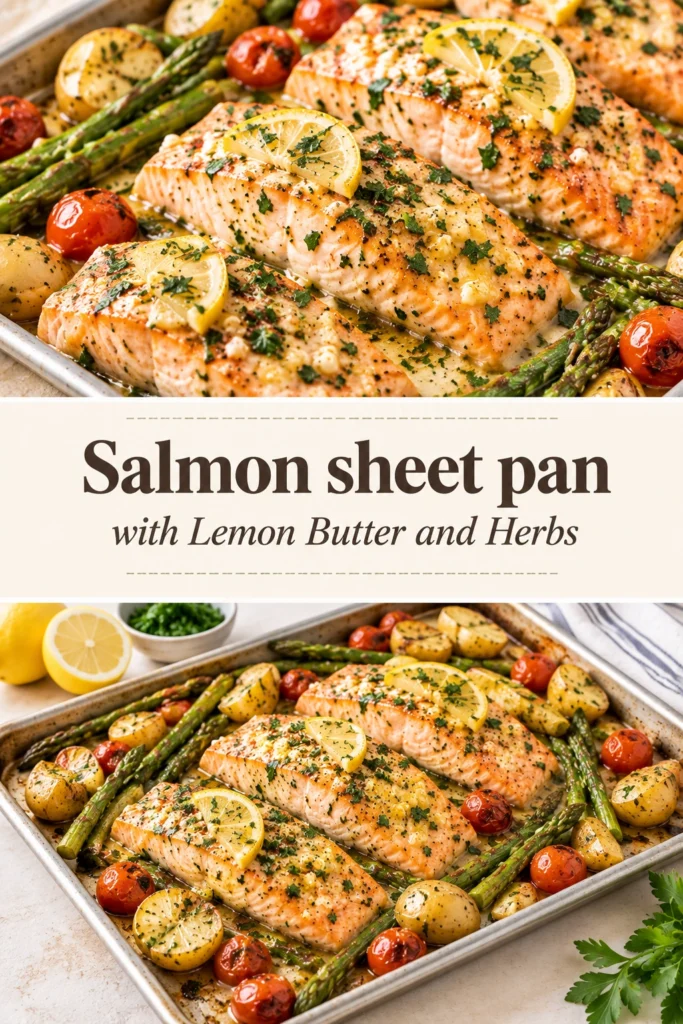
Fresh salmon takes on a bright, rich character when roasted with a blend of melted butter and citrus. This method simplifies the cooking process fish and vegetables on a single tray.
This recipe delivers a balanced meal that highlights the natural sweetness of the fish. It avoids the heavy sauces often found in restaurant versions, focusing instead on fresh herbs and acid.
Many home cooks appreciate the minimal cleanup required when using a parchment-lined sheet pan. This efficiency makes a high-quality protein accessible even on tight schedules.
The combination of lemon and butter creates a velvet-like glaze that keeps the salmon moist during the roasting process. It provides a lighter alternative to cream-based salmon dishes.
Anyone seeking a nutrient-dense dinner that feels sophisticated but requires little effort will find this approach useful. It works well for both experienced cooks and beginners.
Following these steps allows you to achieve a flaky texture and a vibrant flavor profile. The details below explain how to assemble and cook this meal for the best results.
- ●Why You’ll Love This Recipe
- ●A Brief Background / Why This Recipe Works
- ●Perfect For Healthy Weeknight Dinners
- ●Salmon Ingredient Spotlight
- ●The Role of Lemon Butter and Herbs
- ●Key Ingredients
- ●How to Make It
- ●Pro Tips
- ●Delicious Variations
- ●Best Ways to Serve
- ●Storage and Leftovers
- ●Frequently Asked Questions
- ●Why This Recipe Belongs in Your Weekly Rotation
- ●Final Thoughts
This approach to preparing salmon focuses on speed and purity of flavor, removing the stress of timing multiple pots and pans.
- ●Single-pan cleanup reduces the time spent at the sink after dinner.
- ●Fast roasting times mean the meal is on the table quickly.
- ●Lemon butter creates a natural barrier that prevents the fish from drying out.
- ●Fresh herbs add a layer of aromatic complexity without adding calories.
- ●Versatile vegetable pairings allow you to use whatever is in your crisper drawer.
- ●Balanced macronutrients provide a satisfying feel without heaviness.
- ●Consistent results are easier to achieve than with pan-searing.
- ●Simple ingredients are generally available at any local grocery store.
- ●The recipe scales easily for two people or a larger family gathering.
Integrating this meal into your routine simplifies the process of eating healthy without sacrificing the luxury of a butter-basted finish.
A Brief Background / Why This Recipe Works |
Roasting salmon at a high temperature allows the exterior to firm up while the center remains tender. When paired with butter, the fat conducts heat evenly across the surface of the fillet.
The acidity from the lemon juice cuts through the richness of the omega-3 fatty acids in the fish. This balance prevents the dish from tasting overly greasy and brightens the overall profile.
Using a sheet pan allows for the inclusion of asparagus or broccoli, which cook in roughly the same timeframe as the salmon. This synchronization creates a cohesive meal where everything reaches its peak texture at once.
This method is similar to the logic used in One Pan Chicken Dinner With Roasted Vegetables Easy Weeknight Sheet Pan Meal, utilizing the oven to concentrate flavors through dry heat.
Perfect For Healthy Weeknight Dinners |
Busy weeknights require recipes that minimize active prep time. Because the oven does the heavy lifting, you can focus on other tasks while the salmon roasts.
Meal prep is straightforward with this dish, as the fillets can be portioned and stored in the fridge before the butter is applied. This allows for a rapid transition from fridge to oven.
Family dinners benefit from the sheet pan format because it is easy to adjust the amount of vegetables to suit different appetites. Children often enjoy the mild, buttery flavor of the roasted fish.
Special occasions or holidays can be handled with a few extra lemon slices and a sprinkle of fresh parsley for a more elegant presentation. The simplicity of the dish makes it a reliable choice when hosting guests.
Salmon Ingredient Spotlight |
Salmon is the centerpiece of this dish due to its rich texture and high oil content. This oil allows the fish to withstand the heat of the oven without becoming tough or rubbery.
Its flavor is naturally buttery, which complements the added lemon butter sauce perfectly. Choosing a center-cut fillet ensures that the thickness is uniform, leading to an even cook across the entire piece of fish.
The Role of Lemon Butter and Herbs |
Butter serves as the primary flavor carrier, melting over the salmon and vegetables to create a rich sauce. It adds a savory depth that salt alone cannot provide.
Fresh herbs like dill or parsley introduce an earthy, fresh note that offsets the richness of the butter. These herbs are added both before and after cooking to provide a contrast between roasted and fresh flavors.
The lemon provides the necessary acidity to wake up the palate. Without it, the butter might feel too heavy, and the fish might lack the brightness associated with classic seafood preparations.
Key Ingredients |
Each component of this dish plays a specific role in balancing the richness of the seafood with fresh, aromatic notes.
- ●Salmon Fillets — provides the primary protein and a rich, fatty texture that pairs well with citrus.
- ●Unsalted Butter — acts as the base for the sauce and helps baste the fish during roasting.
- ●Fresh Lemon — contributes both juice for acidity and zest for a concentrated citrus aroma.
- ●Garlic — adds a pungent, savory undertone that enhances the butter sauce.
- ●Fresh Dill — offers a bright, slightly anise-like flavor traditional for salmon dishes.
- ●Fresh Parsley — provides a clean, peppery finish and a vibrant green color.
- ●Asparagus — adds a crisp-tender vegetable component that roasts quickly.
- ●Olive Oil — ensures the vegetables do not stick to the pan and helps them brown.
How to Make It |
Success with this recipe depends on managing the oven temperature and the thickness of your salmon fillets to avoid overcooking.
- Prepare the oven and pan: Preheat your oven to 400°F (200°C) and line a large rimmed baking sheet with parchment paper. This step prevents the lemon butter from sticking and makes the cleanup nearly instantaneous.
- Arrange the vegetables: Place your trimmed asparagus or preferred vegetables on the outer edges of the pan. Toss them with a small amount of olive oil and salt, leaving a clear space in the center for the fish.
- Position the salmon: Place the salmon fillets in the center of the pan, skin-side down. Pat the fillets dry with a paper towel first to ensure the butter sauce adheres rather than sliding off a wet surface.
- Mix the butter sauce: Combine softened butter, minced garlic, lemon zest, and chopped herbs in a small bowl. Stir until the mixture is a uniform paste, ensuring the garlic is evenly distributed so no single bite is overwhelming.
- Apply the glaze: Spread a generous dollop of the herb butter over the top of each salmon fillet. Use the back of a spoon to push the butter to the edges of the fish, covering the entire top surface.
- Roast the tray: Slide the pan into the oven and bake for 12 to 15 minutes. Watch for the salmon to turn an opaque light pink and the butter to bubble and brown slightly around the edges.
- Finish with citrus: Remove the pan from the oven and immediately squeeze fresh lemon juice over the fish and vegetables. Doing this while the food is hot allows the citrus to penetrate the surface of the salmon.
1Small adjustments in technique can significantly improve the texture of the fish and the flavor of the vegetables.
- ●2Use a meat thermometer: Pull the salmon out when the internal temperature hits 135°F (57°C), as carryover cooking will bring it to the ideal 145°F.
- ●3Pat the fish dry: Removing surface moisture helps the butter stick and prevents the fish from steaming instead of roasting.
- ●4Cut vegetables uniformly: Ensure asparagus stalks are roughly the same thickness so they all finish cooking at the same time.
- ●5Room temperature fish: Let the salmon sit out for 15 minutes before cooking to avoid a cold center in a fast-roasting oven.
- ●6Avoid over-mixing: Gently stir the herbs into the butter to keep them intact, which preserves their visual appeal and fresh taste.
Delicious Variations |
You can adapt this recipe to fit your dietary preferences or the seasonal produce available in your kitchen.
- ●Swap the greens: Use broccoli florets or snap peas instead of asparagus for a different texture.
- ●Change the herbs: Substitute dill with fresh thyme or rosemary for a more woodsy, earthy flavor profile.
- ●Dairy-free alternative: Use a high-quality vegan butter or a drizzle of extra virgin olive oil mixed with lemon.
- ●Add a kick: Stir a pinch of crushed red pepper flakes into the butter for a subtle heat.
- ●Honey-Lemon twist: Mix a teaspoon of honey into the butter for a sweeter, caramelized glaze.
These changes allow you to keep the core method the same while varying the taste to avoid repetition in your meal plan.
Best Ways to Serve |
Depending on the occasion, you can serve this as a light lunch or a hearty dinner by adding a few side components.
- ●Over Quinoa: Serve the salmon and vegetables atop a bed of fluffy quinoa to soak up the excess lemon butter.
- ●With Crusty Bread: A warm baguette is ideal for mopping up the garlic butter remaining on the pan.
- ●Alongside a Fresh Salad: Pair this with a Kale Salad With Avocado And Fresh Herbs Healthy Green Salad Recipe for added nutrition.
- ●With Wild Rice: The nuttiness of wild rice complements the richness of the salmon and the acidity of the lemon.
For a formal presentation, plate the salmon first, lean the asparagus against the fillet, and drizzle any remaining pan juices over the top.
If you are serving a crowd, keep the entire sheet pan on a wooden board in the center of the table for a rustic, family-style feel.
Storage and Leftovers |
Refrigerating
Place the cooked salmon and vegetables in an airtight container and store them in the refrigerator for up to 3 days. Keep the fish and vegetables separate if you plan to reheat them differently.
Reheating
Warm the leftovers in the oven at 275°F (135°C) for about 10 minutes, covered with foil. Avoid the microwave if possible, as it can make the salmon rubbery and dry.
Freezing
While cooked salmon can be frozen for up to 2 months, the texture of the vegetables will degrade. It is better to freeze only the fish, wrapped tightly in foil and plastic wrap.
Frequently Asked Questions |
- ●Q: How do I know when the salmon is perfectly cooked?A: The salmon is done when the flesh transitions from translucent to an opaque pink. If you flake the thickest part with a fork, it should separate easily along the natural lines of the muscle without being dry or chalky.
- ●Q: Can I use frozen salmon fillets for this recipe?A: Yes, but you must thaw them completely in the refrigerator overnight first. Cooking salmon from a frozen state leads to uneven cooking, where the outside overcooks before the center reaches a safe temperature.
- ●Q: What can I use if I don’t have fresh dill?A: Dried dill is a suitable substitute, though you should use only one-third of the amount called for in the recipe. Parsley or chives also work well to provide a fresh, green flavor.
- ●Q: Why did my salmon release white stuff on top?A: This white substance is called albumin, a protein that is pushed to the surface when the fish is cooked quickly or at high heat. It is completely safe to eat, though it can be minimized .
- ●Q: Can I add other vegetables to the sheet pan?A: You can add carrots, bell peppers, or zucchini, but be mindful of their cooking times. Harder vegetables like carrots should be sliced very thin or started in the oven ten minutes before adding the salmon.
- ●Q: Is it better to leave the skin on or take it off?A: Leaving the skin on is recommended because it acts as a protective barrier between the heat of the pan and the delicate flesh. This helps maintain moisture and prevents the fish from sticking.
Why This Recipe Belongs in Your Weekly Rotation |
Maintaining a healthy diet often feels like a chore when recipes require hours of preparation or a dozen different pots. This salmon dish eliminates those barriers -quality protein and greens into one streamlined process.
The flavors are classic and widely appealing, making it a safe bet for picky eaters while still feeling like a gourmet meal. Because it relies on simple staples like lemon and butter, you likely already have most of the ingredients in your pantry.
Incorporating this meal once a week ensures you get a dose of omega-3 fatty acids and essential vitamins with very little effort. It provides a reliable template that you can modify based on the season or your mood.
Final Thoughts |
This sheet pan salmon combines the richness of garlic butter with the brightness of fresh lemon and herbs. It is a practical, one-pan solution that delivers a restaurant-quality result in under 30 minutes.
Prepare this dinner tonight to experience how a few simple ingredients can transform a weeknight meal into a refreshing and satisfying experience.
Salmon Sheet Pan with Lemon Butter and Herbs
- Total Time: 25 minutes
- Yield: 4 servings 1x
Description
A fresh and flavorful sheet pan meal featuring tender salmon fillets basted in a lemon-garlic herb butter and roasted alongside crisp asparagus.
Ingredients
- 4 salmon fillets (6 oz each)
- 1 bunch asparagus, trimmed
- 4 tablespoons unsalted butter, softened
- 3 cloves garlic, minced
- 1 tablespoon fresh dill, chopped
- 1 tablespoon fresh parsley, chopped
- 1 lemon (half zested and juiced, half sliced into rounds)
- 2 tablespoons olive oil
- 1/2 teaspoon salt
- 1/4 teaspoon black pepper
Instructions
- Preheat your oven to 400°F (200°C) and line a large baking sheet with parchment paper.
- Place trimmed asparagus on the sides of the pan, drizzle with olive oil, and season with salt and pepper.
- Pat salmon fillets dry with paper towels and place them in the center of the pan, skin-side down.
- In a small bowl, mix softened butter, minced garlic, lemon zest, chopped dill, and chopped parsley.
- Spread the herb butter evenly over the top of each salmon fillet.
- Place lemon slices on top of the buttered salmon and around the asparagus.
- Bake for 12-15 minutes, or until the salmon is opaque and flakes easily with a fork.
- Remove from the oven and immediately drizzle the remaining fresh lemon juice over the entire tray.
- Prep Time: 10 minutes
- Cook Time: 15 minutes
- Category: Dinner
- Method: Baking
- Cuisine: American