Introduction |
When Maria walked into the kitchen, elbow‑deep in a steaming pot of kimchi, she whispered Try this, clutching a folded zucchini spiral. Her old bag of ground beef still held a promise of savory secrets, and I wondered
That evening, the aroma of sizzling brown meat drifted through the hallway, turning my apartment from a simple space into a bustling hanjeongsik, a Korean feast that promised comfort and bold flavor in every bite today.
- ●Low‑carb, high‑protein meal that fits ketogenic lifestyles without sacrificing flavor.
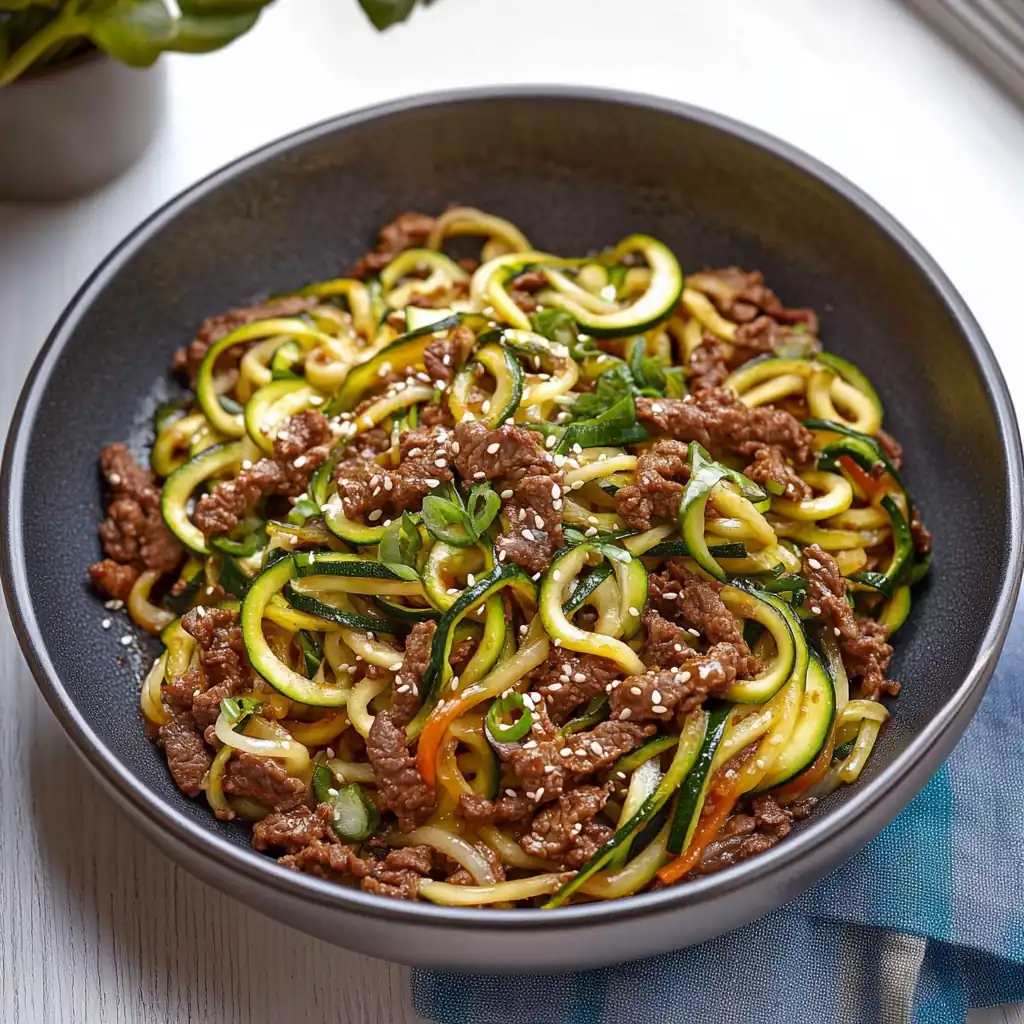
- ●Instant color contrast: golden meat, vibrant green zucchini, and pops of reddish gochujang.
- ●Quick 15‑minute turnaround, ideal for after‑work dinners when time is scarce.
- ●Infused with Korean aromatics—garlic, ginger, sesame oil—that uplift everyday ingredients.
- ●Versatile enough to swap beef for turkey, tofu, or a fusion twist with chili paste.
Essential Ingredients |
Lean Ground Beef – robust aroma, rich marbling, searing into a caramelized crust; approximate 1 lb delivers balanced protein and flavor.
Zucchini Noodles – bright green, crisp texture, subtle vegetal hue; 3 medium zucchinis produce around 3 cups of noodles.
Gochujang – deep reddish‑brown, spicy sweetness, smoky undertones; 1 tablespoon gives just enough heat without overwhelming.
Soy Sauce – salty umami, glossy sheen; 3 tablespoons provide savory depth; adjust to taste for sodium balance.
Sesame Oil – nutty fragrance, silky finish; 1 teaspoon adds richness and aromatic lift.
Garlic, minced – potent, warm, crisp bite, golden aroma; 2 cloves release just the right aroma before searing.
Fresh Ginger, minced – zesty, slightly peppery, warming spice; 1 teaspoon adds bright spark amid deep savory.
Green Onions, chopped – fresh, peppery greens, mild crunch; 2 stalks finish the dish with bright, herbal contrast.
Toasted Sesame Seeds – crunchy, toasted golden kernels, nutty backdrop; 1 tablespoon sprinkled for final texture.
Optional Beef Broth or Water – light liquid to keep noodles moist; 1/4 cup optional, reduces by sauté.
 Let’s Make it Together |
- Heat a large skillet over medium‑high until shimmering; add lean ground beef, breaking it apart with a spoon. Sear until a caramelized crust forms, about 4–5 minutes. Pro tip: A cast‑iron pan distributes heat evenly, deepening the Maillard browning.
- Add minced garlic and ginger to the beef, stirring constantly; let their aromas bloom for 30 seconds, then sear until fragrant, about 1 minute. Pro tip: Lower the heat slightly after the first minute to prevent the garlic from blackening.
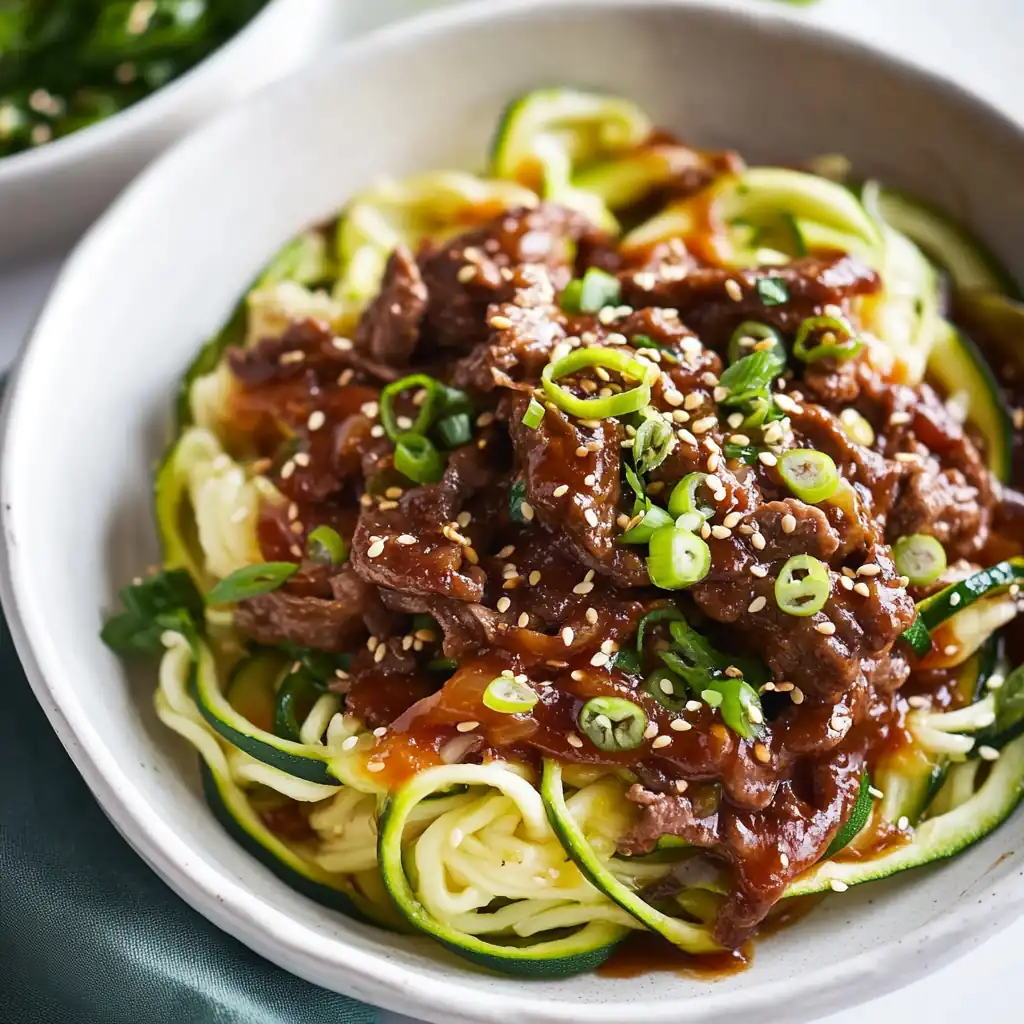
- Stir in soy sauce, gochujang, and sesame oil, coating the meat; let the flavors intertwine for 2 minutes, achieving a glossy spice glaze. Pro tip: Adjust the gochujang amount if you crave a milder heat.
- Introduce the zucchini noodles, tossing them with the meat mixture; cook until just tender yet still crisp, about 2 minutes. Pro tip: Avoid overcooking to preserve that satisfying snap in each bite.
- Lift the sizzling mixture to a plate, setting aside to keep warm; this allows flavors to meld during assembly. Pro tip: Transfer to a heat‑proof bowl so the noodles stay firm while cooling slightly.
- Return the beef cocktail to the pan, stirring in the green onions; heat through for 30 seconds, ensuring the greens blanch while still bright. Pro tip: A quick blanch keeps the onions vibrant and prevents them from turning mushy.
- Serve immediately, topped with toasted sesame seeds and an optional squeeze of lime; enjoy the aromatic, spicy, and satisfying fusion heat on your dinner plate.
Using fresh ground beef reduces the risk of foodborne illness, but always thaw and cook to 160°F internal temperature.
Zucchini noodles are highly perishable; consume within 2–3 days after cooking or store in a sealed container in the refrigerator.
The combination of soy sauce and gochujang can raise sodium levels; compensate ‑sodium soy sauce or reducing gochujang.
If you prefer a thicker sauce, drizzle a pea‑size amount of cornstarch slurry but remember it will reduce broth slightly.
To avoid a soggy noodle dish, ensure the skillet is hot before adding zucchini and keep the cooking time minimal; high heat locks moisture in.
Perfecting the Cooking Process |
Searing at 400°F engages the Maillard reaction, sealing juices into the beef’s fibers and giving that coveted caramelized crust; set a digital thermometer to 155°F, then let the ribcage rest for 5 minutes to achieve perfect medium doneness.
Zucchini noodles should be tossed for 60–90 seconds at a steady stirring rhythm; the fibers soften just enough to release steam without turning mushy, preserving their bright color and snap as the heat subdues their tannin.
Add Your Touch |
Swap the beef for diced pork neck or shredded chicken if you desire a lighter protein; each option adds unique texture while still harmonizing with Korean seasonings.
Elevate the dish a handful of sliced shiitake mushrooms or grated carrot during the garlicky‑ginger stage; the earthy aroma complements the glossy soy and chili base, creating a layered flavor profile.
Storing & Reheating |
Pack the noodles and beef mechanically into an airtight container, separating the sauce from the noodle strands by slosh‑lining a thin onion sheet; refrigerate at 40°F for up to 3 days.
Reheat gently over medium heat, stirring intermittently for 3–4 minutes, ensuring the noodles regain that original bite; avoid the microwave, as uneven heating plumps the zucchini into limpness.
1You’ll notice the heat radiates from the skillet; this indicates you’ve reached the perfect searing temperature. Sealing the beef with a quick sizzle locks in juicy depth and caramelized flavor.
2Trust your nose here; the fragrance of toasted sesame oil and sautéed garlic will tell you it’s almost ready for the next step. A slight aroma bounce signals optimal timing.
3Your pan should be hot enough to sizzle when you drop a single water droplet. A steady hiss means you’ve achieved the right sear without scorching the meat.
4Serve immediately with a side of pickled cucumbers; the acidity brightens the dish and creates a refreshing contrast.
5Keep one hand on the skillet’s edge or use a heat‑resistant glove to maneuver the noodle–meat mixture; this prevents accidental splatter and maintains clean work.
FAQ |
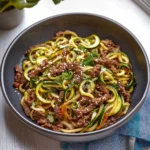
Savory Korean Beef Zucchini Noodles – A Healthy Delight
- Total Time: 25 minutes
- Yield: 4 servings
Description
A quick, protein‑rich stir‑fry featuring lean Korean beef, fresh zucchini noodles, and a vibrant sauce of gochujang, soy, and sesame oil. This low‑carb meal is ready in just 15 minutes, delivering bold flavors and vibrant textures.
Ingredients
- Lean Ground Beef (1 lb)
- Zucchini Noodles (3 medium zucchinis)
- Gochujang (1 tbsp)
- Soy Sauce (3 tbsp)
- Sesame Oil (1 tsp)
- Garlic, minced (2 cloves)
- Fresh Ginger, minced (1 tsp)
- Green Onions, chopped (2 stalks)
- Toasted Sesame Seeds (1 tbsp)
- Optional Beef Broth or Water (1/4 cup)
Instructions
- Heat a large skillet over medium‑high and sear the beef until browned.
- Add garlic and ginger, sautéing until fragrant.
- Stir in soy sauce, gochujang, and sesame oil; cook until glossy.
- Toss in zucchini noodles; cook until crisp yet tender.
- Fold in green onions; heat through briefly.
- Serve hot, garnished with sesame seeds and a squeeze of lime.
- Prep Time: 10 minutes
- Cook Time: 15 minutes
- Category: Dinner
- Method: Stir-fry
- Cuisine: Korean