The Art of the Perfect Rib |
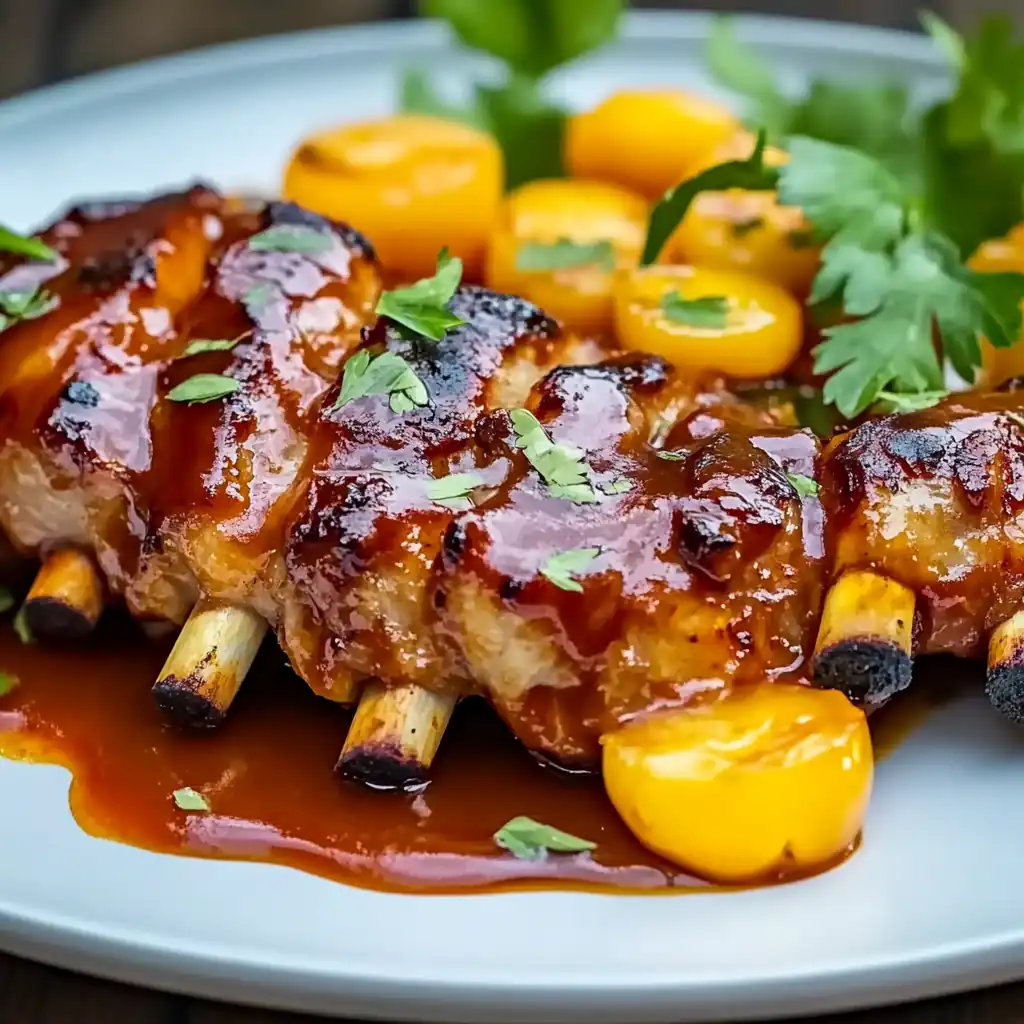
Precision creates the perfect bite. My journey toward this specific flavor profile began during a late-August garden party, where the abundance of overripe peaches demanded a culinary use beyond simple dessert. I wanted a sauce that mirrored the complexity of a fine wine reduction but retained the rustic, smoky soul of a traditional American barbecue pit.
Achieving that elusive balance between acidic brightness and sugary depth requires a methodical approach to temperature and timing. deep, woody notes of aged balsamic vinegar with the floral sweetness of fresh peaches, we create a glaze that cuts through the richness of the pork without overpowering the natural meat flavor. The result is a dish that feels both elevated and comforting, bridging the gap between fine dining and a casual Sunday feast.
- ●The flavor profile is meticulously balanced. The balsamic vinegar provides a sharp acidity that neutralizes the heavy fats of the pork, ensuring every bite feels fresh.
- ●Texture is handled with technical precision. By using a low-and-slow approach followed by a high-heat sear, you get meat that pulls away from the bone effortlessly.
- ●The peach element adds unexpected depth. Unlike standard corn syrup-based sauces, real peaches introduce a natural fructose and floral aroma that enhances the smoky char.
- ●It is designed for effortless entertaining. Most of the work happens in the oven, leaving you free to spend time with your guests while the ribs develop their glaze.
- ●The versatility of the sauce is unmatched. This specific glaze works beautifully as a dipping sauce for appetizers or a base for grilled chicken and pork tenderloin.
Essential Ingredients |
Ba are actually the leanest of the pork ribs, which is why they require a moist cooking environment to prevent drying. They serve as the structural foundation of the dish.
Balsamic Vinegar originated in the Modena region of Italy and is aged in wooden casks to achieve its syrup-like consistency. Here, it provides the essential acidic backbone to balance the sugar.
Fresh Peaches contain an enzyme called invertase that helps break down complex sugars, making them an ideal natural sweetener for a sticky, glossy BBQ glaze.
Brown Sugar is hygroscopic, meaning it attracts water, which helps the sauce cling to the meat and create a caramelized crust during the final broil.
Smoked Paprika is created over smoking fires, adding a layer of ‘artificial’ smoke flavor even if you are using a standard kitchen oven.
Garlic Powder offers a more uniform distribution of flavor than fresh garlic, ensuring no single bite is overwhelmed heat.
 Let’s Make it Together |
- Remove the silver skin (membrane) from the back of the ribs by sliding a dull knife underneath and pulling it away with a paper towel. Pro tip: This allows the rub to penetrate the meat and prevents the ribs from feeling “chewy.”
- Rub the ribs generously with a blend of salt, pepper, smoked paprika, and garlic powder, massaging the spices into every crevice.
- Wrap the seasoned ribs tightly in double-layered aluminum foil, creating a sealed packet that traps all natural juices.
- Bake the ribs at 300°F (150°C) for approximately 2.5 to 3 hours until the meat is tender but not yet falling apart.
- Whisk together the peach puree, balsamic vinegar, brown sugar, and a pinch of cayenne in a small saucepan over medium heat. Pro tip: Simmer the sauce for 10 minutes to reduce the water content, which ensures a thicker, glossier glaze.
- Remove the ribs from the oven, carefully open the foil, and brush a thick layer of the balsamic-peach glaze over the top side.
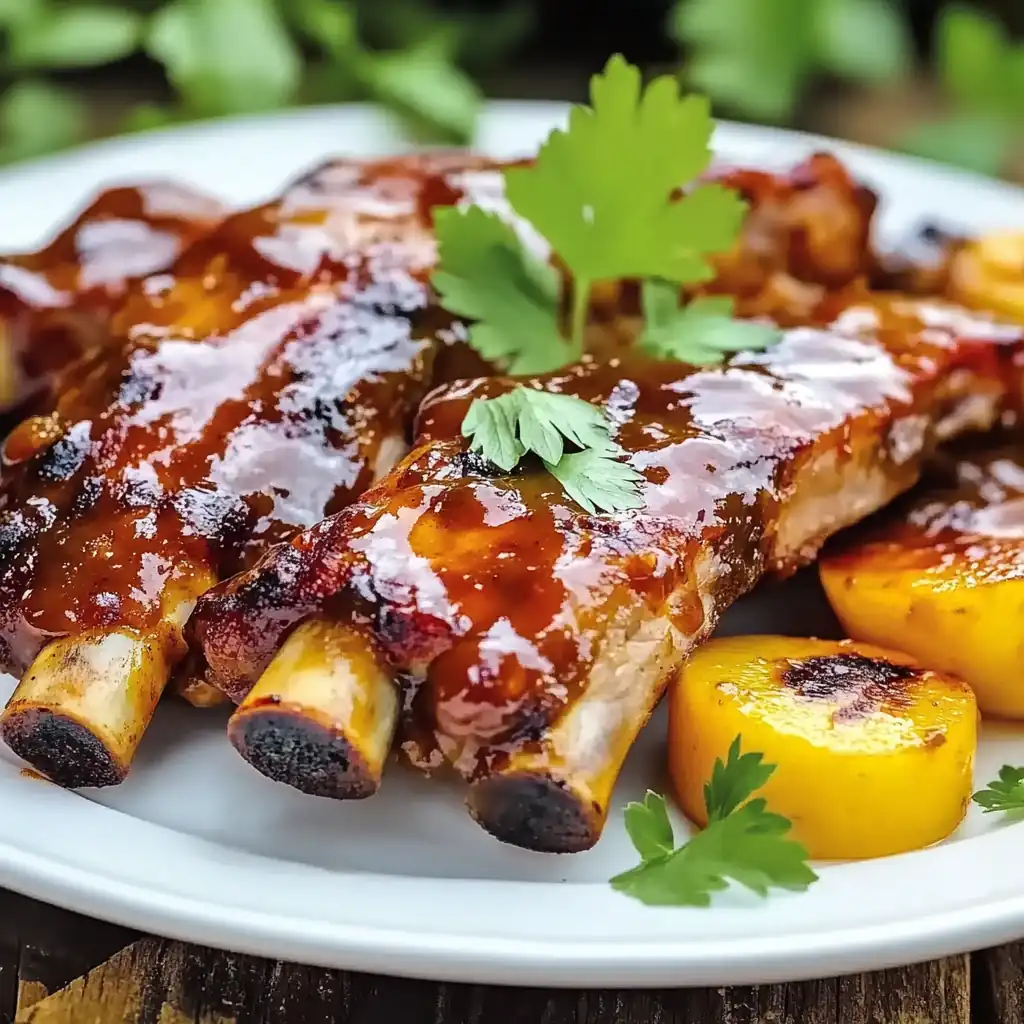
- Broil the ribs on high for 3 to 5 minutes, watching closely as the sugars bubble and caramelize into a deep mahogany brown. Pro tip: Rotate the pan every 2 minutes to avoid burning the sugars in the corners.
- Rest the meat for 10 minutes before slicing between the bones to allow the juices to redistribute.
Avoid using pre-cooked ribs as they will dry out during the glazing process.
Ensure your foil is airtight to prevent the steam from escaping, which would toughen the meat.
Do not add the sauce too early in the cooking process or the sugars will burn.
Use a meat thermometer to ensure the internal temperature reaches 195-203°F for maximum tenderness.
Always use fresh peaches if possible, as canned versions often contain too many preservatives.
Perfecting the Cooking Process |
Temperature control is the singular most important factor when rendering the collagen in pork ribs. By maintaining a steady 300°F, we allow the connective tissues to melt slowly into gelatin, which creates the “melt-in-your-mouth” texture without boiling the meat in its own juices.
The timing of the glaze application is a matter of chemistry. Applying the balsamic-peach sauce only during the final stage prevents the sugars from scorching, allowing the Maillard reaction to create a complex, charred exterior while the interior remains succulent.
Add Your Touch |
For those seeking a more pungent profile, incorporate a tablespoon of Dijon mustard into the sauce. The mustard seeds add a sharp, vinegar-forward contrast that pairs exceptionally well with the sweetness of the peach.
Alternatively, consider swapping the peaches for nectarines or apricots for a slightly more tart experience. Adding a splash of bourbon to the reduction will also introduce a woody, vanilla-like depth to the overall flavor.
Storing & Reheating |
Store leftover ribs in an airtight container in the refrigerator for up to three days. Ensure they are completely cooled before sealing to avoid condensation, which can make the glaze soggy.
Reheat the ribs in a 325°F oven wrapped in foil with a teaspoon of water added to the packet. This creates a steam environment that prevents the meat from drying out during the second heating process.
1Use a paper towel to grip the membrane for a cleaner removal from the ribs.
2Sieve your peach puree to remove any lumps for a professional, smooth sauce texture.
3Always pat the ribs dry before applying the initial dry rub to ensure better adhesion.
4Resting the meat is non-negotiable for maintaining the internal moisture of the pork.
5Balance the sauce with a pinch of salt if the peaches are overly sweet.
FAQ |
- ●Q: Can I make this recipe on a grill instead of in an oven?
A: Yes, you can use indirect heat on a grill ribs away from the burners. Keep them wrapped in foil for the first 3 hours, then finish them directly over the flame for the final glazing process to get a true smoky char. - ●Q: What is the best way to tell if the ribs are fully cooked?
A: Use the “bend test” the ribs with tongs from one end; if the meat cracks slightly on the surface when the slab bends, they are perfectly tender and ready for the glaze. - ●Q: Can I use a different vinegar if I don’t have balsamic?
A: Apple cider vinegar is the best substitute, though it lacks the syrupy depth of balsamic. To compensate, add a teaspoon of honey or maple syrup to the sauce to mimic the richness of the original recipe. - ●Q: Why did my sauce burn during the broiling stage?
A: High sugar content in peaches and balsamic vinegar causes them to burn quickly under direct heat. Keep the oven door slightly cracked and watch the ribs every 60 seconds to catch the caramelization before it turns into carbon.
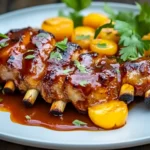
Irresistible Baby Back Ribs with Balsamic-Peach BBQ Sauce
- Total Time: 3 hours 35 minutes
- Yield: 4 servings 1x
Description
Tender, slow-cooked baby back ribs glazed with a sophisticated blend of balsamic vinegar and fresh peaches for a perfect balance of sweet and tangy.
Ingredients
- 2 racks baby back ribs
- 1/2 cup fresh peach puree
- 1/4 cup balsamic vinegar
- 1/3 cup brown sugar
- 1 tbsp smoked paprika
- 1 tsp garlic powder
- Salt and black pepper to taste
- 1/2 tsp cayenne pepper
Instructions
- Remove the membrane from the ribs and rub with salt, pepper, paprika, and garlic powder.
- Wrap ribs tightly in foil and bake at 300°F for 2.5 to 3 hours.
- Simmer peach puree, balsamic vinegar, brown sugar, and cayenne in a pan until thickened.
- Remove ribs from oven and brush generously with the peach-balsamic glaze.
- Broil on high for 3-5 minutes until caramelized.
- Rest for 10 minutes before serving.
- Prep Time: 20 minutes
- Cook Time: 3 hours 15 minutes
- Category: Dinner
- Method: Baking/Broiling
- Cuisine: American